

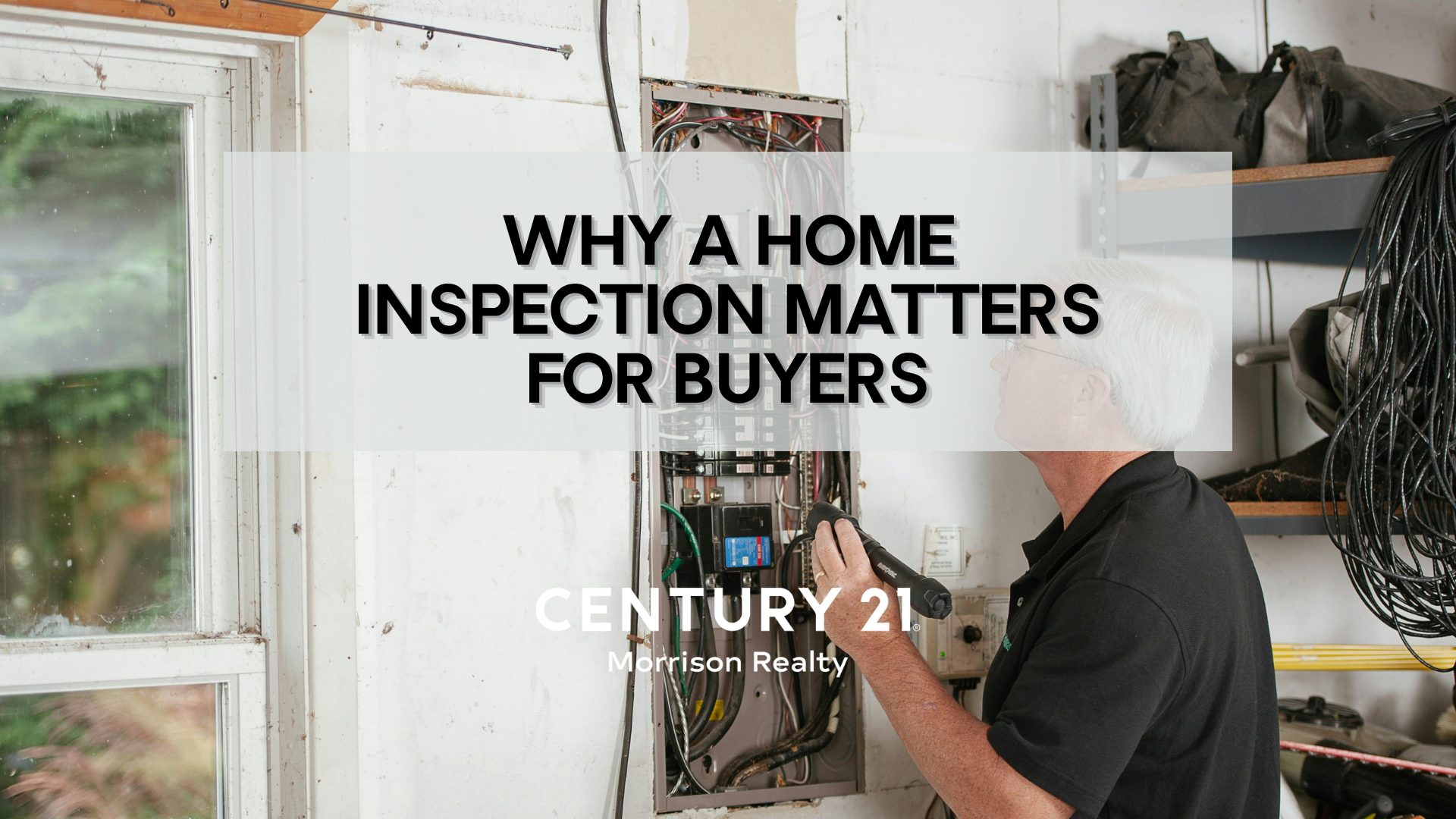
Why a Home Inspection Matters for Buyers
Buying a home is exciting, but it is also a major financial decision. That is why a home inspection is so important.
A home inspection gives buyers peace of mind, helps uncover issues they may not notice during a showing, and provides a clearer picture of the home before closing. It is one of the best tools a buyer has to make a smart, informed decision.
A home inspection is a visual review of the home’s major systems and structure by a qualified inspector. The goal is to identify visible problems, maintenance concerns, and potential safety issues before the sale is final. It is not a guarantee that nothing will ever go wrong with the home. What it does do is help buyers understand what they are walking into before they commit.
Why It Matters
A home can look great on the surface, but buyers are not usually checking the attic, electrical panel, foundation, or furnace during a short showing. An inspection helps answer the question, “Is this home really in the condition I think it is?”
An inspection can bring attention to issues like roof wear, plumbing leaks, electrical concerns, water intrusion, HVAC problems, or structural concerns. Sometimes the report confirms the home is in great shape. Other times, it reveals repairs the buyer needs to think about before moving forward.
Not every inspection item is a deal breaker. Many are simply maintenance items or future expenses to plan for. Knowing the age and condition of things like the roof, furnace, or water heater helps buyers prepare instead of being surprised later.
What Is Usually Included?
A standard home inspection usually covers the roof, foundation, basement or crawl space, plumbing, electrical, heating and cooling systems, water heater, windows, doors, walls, floors, siding, garage, and included appliances.
The inspector then provides a written report with notes, photos, and recommendations.
What Happens After the Inspection?
An inspection does not mean the seller has to fix everything. It simply gives the buyer information.
From there, a buyer might ask for repairs, request a credit, accept the home as-is, or in some cases decide not to move forward. The important part is that they can make that decision with their eyes open.
Extra Tests Buyers May Want
Depending on the home, buyers may also want radon testing, septic inspection, well water testing, sewer scope, pest inspection, or lead-based paint testing. These are especially important in rural areas or older homes.
Should Buyers Attend?
Yes, if possible. I always recommend buyers attend at least the last part of the inspection so they can hear the main findings, ask questions, and learn more about the home’s systems and maintenance needs.
A home inspection is one of the smartest investments a buyer can make. It helps uncover concerns, plan for future costs, and gives buyers peace of mind before closing.
If you are buying a home in Ellendale or the surrounding south-central North Dakota area and have questions about inspections or what extra tests might make sense, I’d be happy to help.



Office Location: 804 1st Ave S Jamestown, ND 58401
© CENTURY 21 2023 - 2024. All rights reserved. CENTURY 21®, C21® and the CENTURY 21 Logo are registered service marks owned by Century 21 Real Estate LLC. Franchisee Legal Entity Name (not the dba) fully supports the principles of the Fair Housing Act and the Equal Opportunity Act. Each franchise is independently owned and operated. Any services or products provided by independently owned and operated franchisees are not provided by, affiliated with, or related to Century 21 Real Estate LLC nor any of its affiliated companies.
